Dark Era of Mughal Empire
Babur and Humayun
Babur’s Conquest and Religious Intolerance
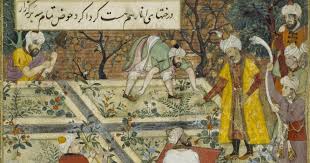
Babur, the founder of the Mughal Empire, secured his rule after the Battle of Panipat in 1526. Although his reign was praised for military success and for creating a new dynasty, it also marked systematic aggression against non-Muslims. In his memoirs, the Baburnama, Babur expresses disdain for Hinduism, especially its temples and idols. Furthermore, his campaigns often targeted these religious structures, symbolizing Islamic dominance.
Humayun’s Religious Coercion
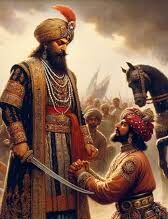
Humayun, the son of Babur, struggled to maintain control over the empire. While in exile in Persia, he adopted some Shia practices and attempted to impose them upon returning to India. However, political instability defined his reign more than religious oppression. Nevertheless, his era established a precedent for future Mughal rulers, who began to view the subjugation of non-Muslim populations as a strategy to consolidate power.
Akbar
Mughal's Siege of Chittorgarh
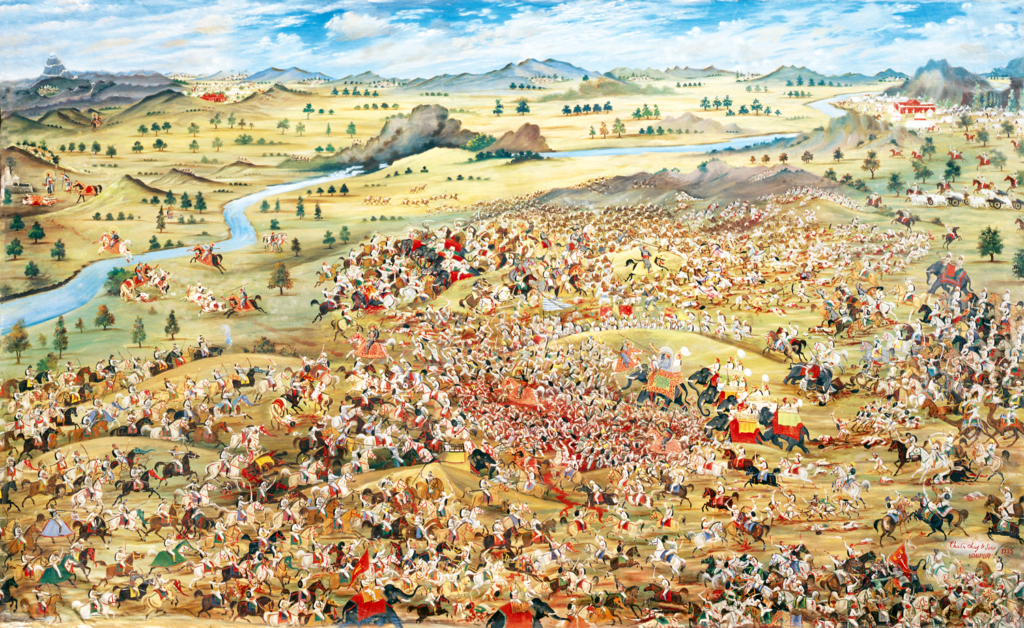
The siege and massacre at Chittorgarh in 1567 marked a dark moment in Akbar’s reign. After capturing the fort, Akbar ordered the killing of over 30,000 civilians, mostly Hindus, seeking refuge there. This brutal act was part of a larger strategy to intimidate and suppress Rajput’s resistance to Mughal rule.
Cultural Imposition via the Din-i Ilahi
Akbar introduced the Din-i Ilahi, a syncretic religious movement, to centralize religious authority around himself. Although the movement attracted few followers and failed quickly, it reflected Akbar’s broader ambitions. He aimed to control the religious and cultural life of his empire. However, this agenda often undermined traditional Hindu and Jain practices.
Religious persecution and forced conversions by the Mughals
Akbar is often praised for his religious tolerance and the introduction of Sulh-i-Kul, meaning peace with all. However, this view of tolerance is challenged by instances of religious persecution during his reign. For example, while Akbar engaged in diplomacy with Hindu kings and abolished the jizya tax, his actions against Rajput kingdoms tell a different story. In these campaigns, he was known for the brutal massacre of thousands of non-combatants. Furthermore, prisoners were often forced to convert to Islam, complicating his legacy of tolerance.
Jahangir and Shah Jahan
Jahangir’s Reign: Suppression of Sikhs and Hindus
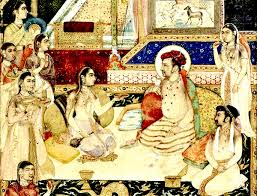
Historians remember Jahangir’s reign for its cultural achievements, but also for continued religious persecution. Notably, he committed a significant act of repression by executing Guru Arjan Dev, the fifth Sikh Guru, in 1606. This tragic event ignited a long and violent conflict between the Sikh community and the Mughal state.
Shah Jahan: Majestic Architecture and Religious Intolerance
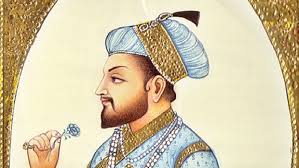
Shah Jahan is renowned for his architectural contributions, especially the Taj Mahal. However, his reign also featured the destruction of Hindu temples. Moreover, he imposed heavy taxes on non-Muslims. His campaigns in the Deccan region were particularly brutal. They involved desecrating temples and forcing captured soldiers and civilians to convert to Islam.
Aurangzeb
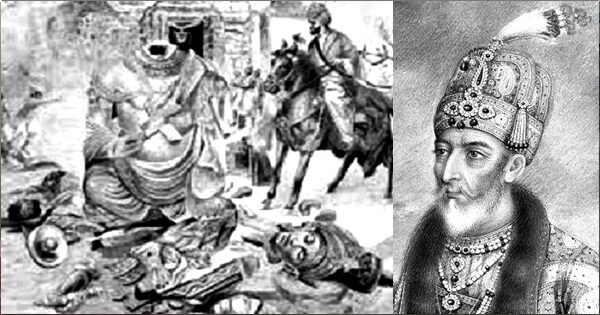
Persecution of the Sikh Gurus by the Mughal Emperor Aurangzeb
Aurangzeb directed his persecution toward the Sikh community as well, most notably by executing Guru Tegh Bahadur in 1675. When the Guru refused to convert to Islam, the emperor ordered his brutal martyrdom. This sacrifice fortified the Sikh community’s resistance against Mughal rule. Eventually, this defiance drove the formation of the Khalsa under Guru Gobind Singh.
Destruction of Temples and Sacred Sites by the Mughals
He pursued a systematic and widespread policy of temple destruction throughout his reign. For instance, he demolished the Kashi Vishwanath Temple in Varanasi and leveled the Krishna Janmabhoomi Temple in Mathura. These actions advanced his broader plan to assert Islamic dominance and suppress Hindu religious practices across the empire.
Reinstatement of Jizya and Religious Oppression
Aurangzeb‘s reign is widely viewed as the harshest for non-Muslim communities under the Mughal Empire. In 1679, he reinstated the jizya tax, imposing a significant financial burden on Hindus. As a result, this tax became a symbol of their subjugation. Furthermore, Aurangzeb’s policies aimed to enforce Islamic law across the empire. Consequently, Hindus, Sikhs, and Jains faced widespread persecution during his rule.
Religious Persecution and Brutality of Mughal
Massacres by Mughal Emperors
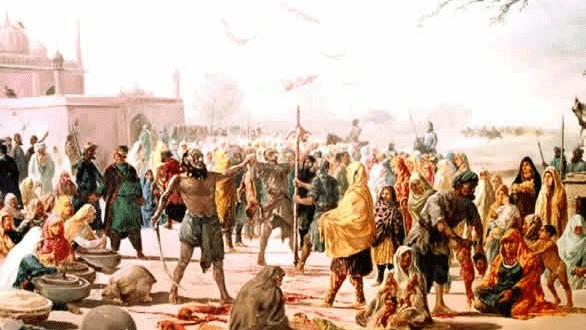
Amid religious conflicts and uprisings, Mughal forces massacred non-Muslim men. A harrowing example marked the Jats’ rebellion in Mathura in 1669. There, imperial troops ruthlessly slaughtered thousands of non-Muslim men.
Enslavement of Non-Muslim Women by the Mughal
Mughal forces did not spare non-Muslim women, particularly Hindus, from these horrors. Soldiers abducted, enslaved, and forced them into marriages. These atrocities consistently accompanied Mughal conquests and invasions.
Conversion Coercion
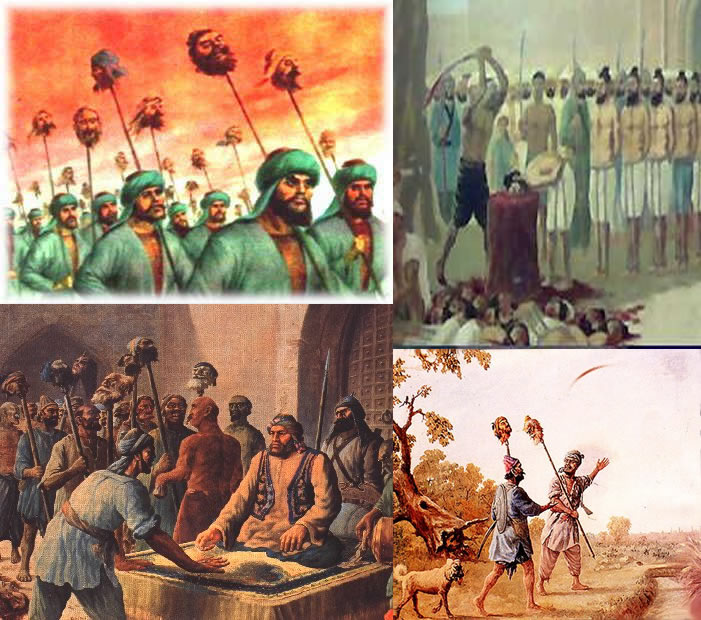
Throughout history, various rulers coerced non-Muslims into converting to Islam. Emperor Aurangzeb escalated this practice, pushing it to its historical peak in both intensity and scale.
Abduction and Enslavement
Invaders frequently abducted non-Muslim women, forcing them into lives of servitude. Consequently, captors subjected these women to sexual exploitation and a life of constant fear.
Mughal's Violence Against Non-Muslim
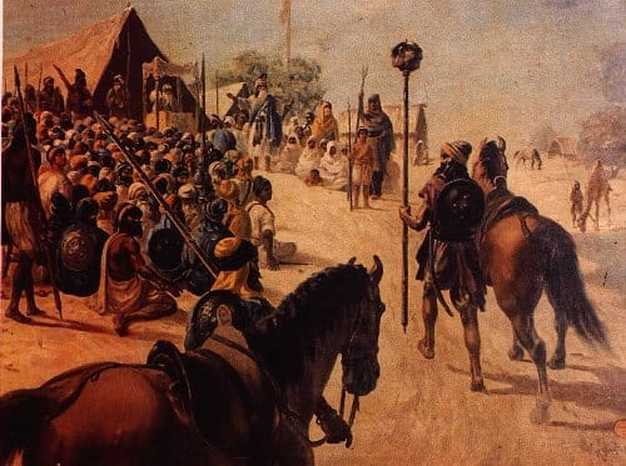
Non-Muslim men faced the worst of the brutality inflicted by the Mughals. Consequently, massacres and excruciating torture became tragically common.
Forced Marriages
Many non-Muslim women were forcibly married to Mughal soldiers. Consequently, they faced a life of subjugation. This situation led to immense suffering for them.
Mughal's Torture
The torturous methods used by the Mughals to extract wealth from non-Muslims were horrifying. Consequently, many faced agonizing torment. In particular, brutal limb mutilation was common.
Mughal's Cruelty on Sikhs
Guru Arjan Dev Ji, Guru Tegh Bahadur Sahib Ji Execution by Mughals
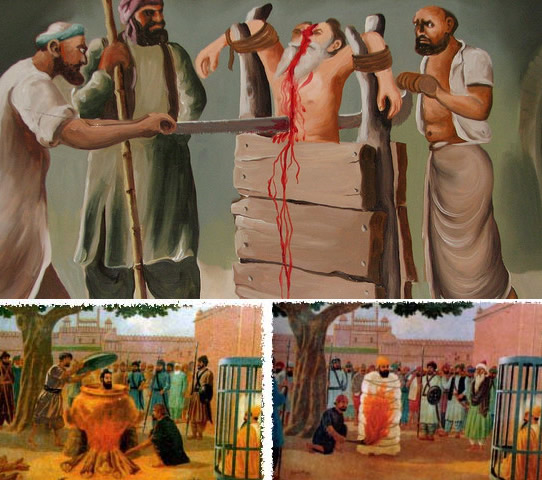
The Mughal reign of terror heavily impacted the Sikh community. Emperor Jahangir, fearing Guru Arjan Dev Ji’s growing influence, ordered his execution and ignored all pleas to spare him. Decades later, Guru Tegh Bahadur Sahib Ji defied Emperor Aurangzeb’s religious oppression. His defense of religious freedom earned him the title “Hind Di Chadar” (The Shield of India).
Furthermore, the sacrifices of Bhai Sati Das, Bhai Mati Das, Bhai Dayala, and Bhai Taru Singh Ji demonstrate the Sikh community’s unwavering faith. Their resilience proves the strength of the Sikh spirit against brutal persecution.
Mass Torture and Persecution by the Mughal
Zakariya Khan, the Mughal governor of Lahore, unleashed a reign of terror against the Sikh population. As a result, he ordered the capture of Sikhs, leading to widespread violence. Moreover, prominent Sikhs, including Bhai Mani Singh, faced torture and execution.
Mughal Violence on Sikh Women and Children
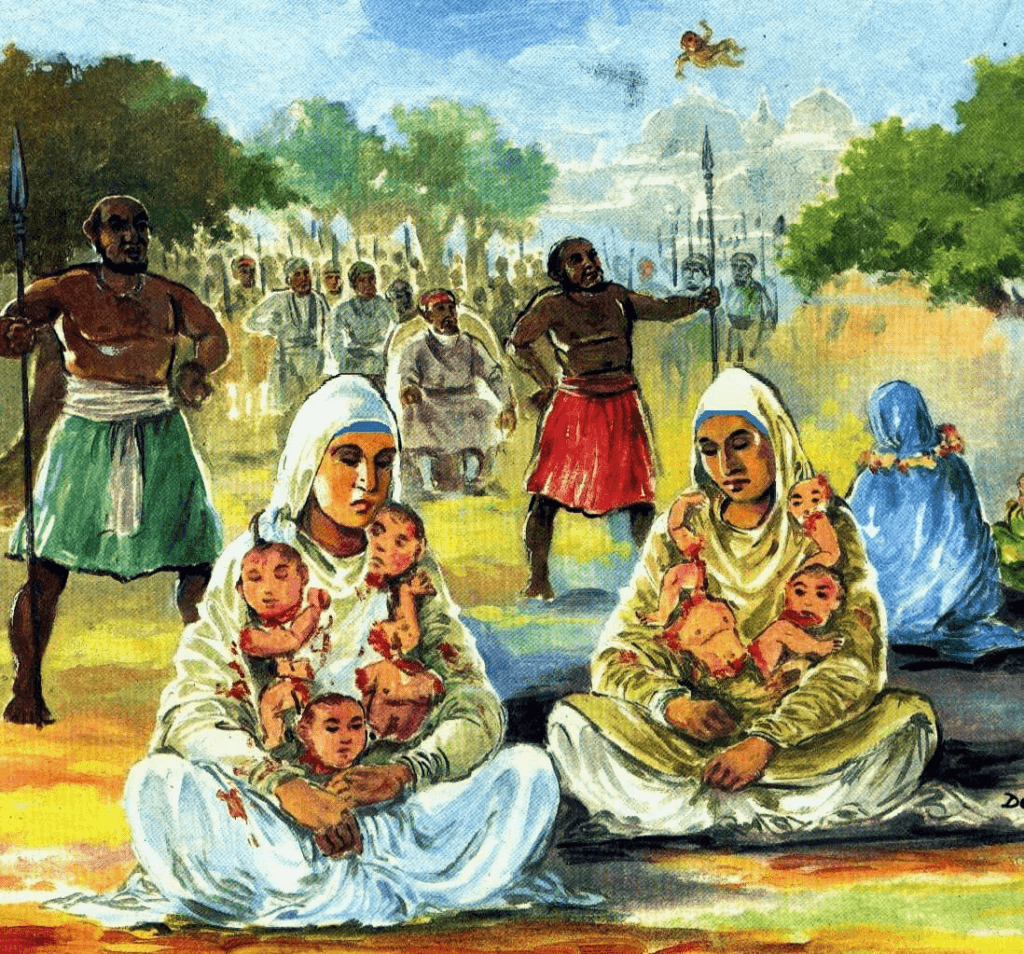
During the 18th century, Sikh women were imprisoned in Mir Mannu’s Jail in Lahore. They endured unimaginable hardships. Despite the horrific pain of losing their children, who were murdered and made into garlands, these women maintained their faith. Additionally, their resilience remained unbroken throughout their suffering.
References
Singh, K. (1963). A History of the Sikhs. Princeton: Princeton University Press.
Alam, M. (1998). The Crisis of Empire in Mughal North India. Delhi: Oxford University Press.
Asher, C. B. (1992). Architecture of Mughal India. Cambridge: Cambridge University Press.
Brown, K. (1994). Humayun. London: Oneworld.
Eaton, R. M. (2000). Temple Desecration and Muslim States in Medieval India. Oxford University Press.
Eraly, A. (1997). The Mughal Throne: The Saga of India’s Great Emperors. London: Phoenix Press.
Grewal, J. S. (1998). The Sikhs of the Punjab. Cambridge: Cambridge University Press.
Habib, I. (1981). Akbar and His India. Delhi: Oxford University Press.
Kulkarni, A. R. (2001). Maharashtra in the Age of Shivaji. Delhi: Oxford University Press.
Majumdar, R. C. (1974). The History and Culture of the Indian People. Mumbai: Bharatiya Vidya Bhavan.
Richards, J. F. (1995). The Mughal Empire. Cambridge: Cambridge University Press.